
Drop the Story
Cultivating a More Flexible Mind

"I am an old man and have known many troubles, but most of them never happened."
- Mark Twain
In this issue:
· Insights Into Practices
· A Poem
· What I'm Reading
I distinctly remember the words of my therapist while in couple's counseling many years ago. She was a bit like a broken record: "Drop the story" she suggested, or perhaps implored is more accurate. "Whatever story you have about what's missing in your relationship, let it go. If you stay with or hold on to your story, it will take you to a place you don't want to go."
A profound human truth is that there are events and there are our interpretations of those events — or the stories we tell ourselves about those events. Some find a long commute horribly frustrating, while others use that time to plan or relax. Some welcome rain and others curse it. Some approach a company off-site as an exciting opportunity to foster connections with colleagues while others regard it as a waste of time and resources that interrupts their productivity. Every conversation, every action, every email, every meeting — one event, multiple interpretations.
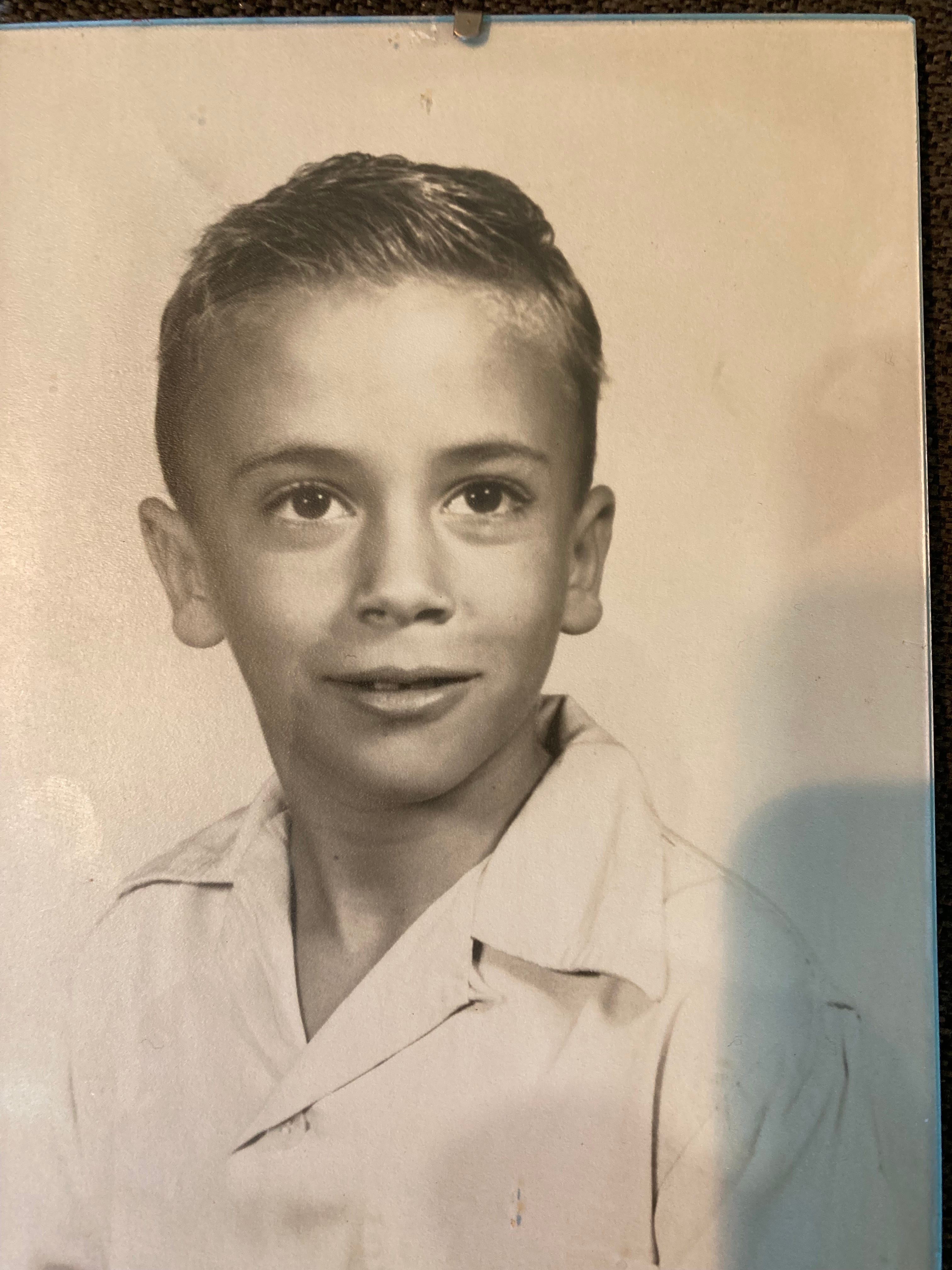
(I’m guessing I was about 10 years old in this photograph…Reflecting on the stories of our lives and of how much of this young boy lives in me today. What is time, anyway?)
We are always interpreting our experiences, and those stories are real and powerful. In fact, we can’t help weaving stories, but part of finding greater clarity, equanimity, and effectiveness is learning when and how to “drop the story.” This practice involves developing self-awareness of the stories we tell ourselves and evaluating how well, or how badly, they are serving us. Then, whenever we recognize that a certain story is self-defeating — when that story is causing problems and undermining our aspirations and happiness — we learn to “drop it” or at least not be caught by it, and tell a different, more productive, more-effective story.
So, are you telling yourself stories of:
· abundance or scarcity
· happiness or unhappiness
· power or powerlessness
· success or failure
What about the facts? Homer Simpson got it half right when he said: “Facts are meaningless. You could use facts to prove anything that’s even remotely true!”
In the end, facts aren’t meaningless, but their meaning is open to interpretation. We use them to tell the story we prefer.
The practice of dropping the story doesn’t mean we drop all stories or have no story. We need stories. humans are storytellers. But we need stories that help us see more clearly and act more effectively to achieve our aspirations and goals. Once you have identified “the story I am telling myself" explore replacing it by finishing the prompt: “The story I want to live by is …” or you might explore alternative stories.
One way to practice with "Drop The Story" is to explore cultivating more positive stories you might want to live by. See how these might fit:
· Every moment is new, rich, and surprising.
· My life and all lives are sacred.
· Work is a terrific cauldron for personal, professional, and spiritual development.
· I can learn and grow from pain, disappointment, and grief.
· I am confident and humble at the same time.
· I love playing and being active and I love being still and quiet.
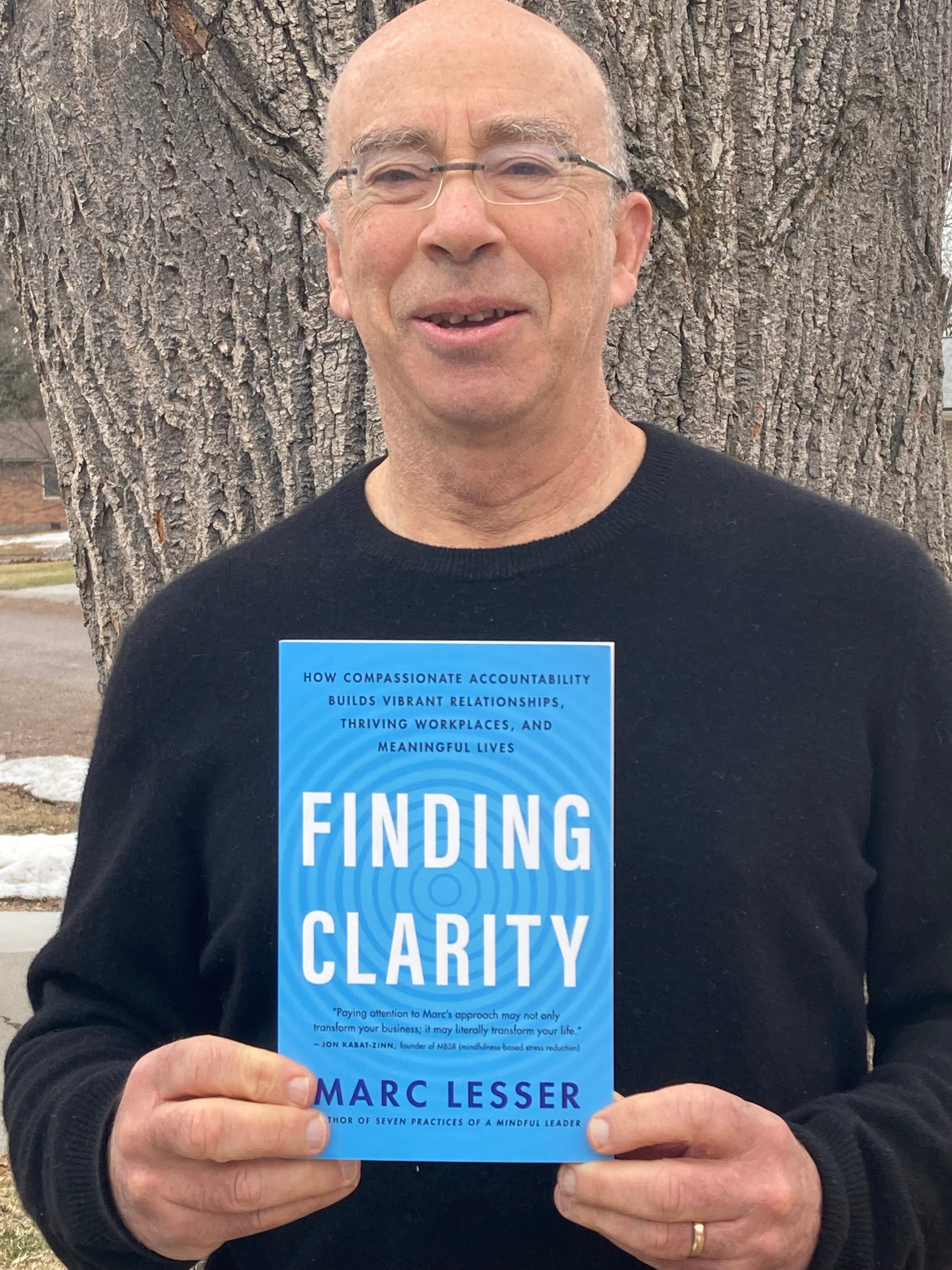
(Adapted from my most recent book, Finding Clarity.)
Giving thanks for our many stories, the many blessings, for the beauty of our world, for friends and community, for strength, kindness and generosity.

(Sunrise from an airplane above eastern California, on my way to Missoula, Montana)
A Poem
“I am looking for the human who admits his flaws
Who shocks the adversary
By being kinder not stronger
What would that be like?
We don't even know”
― Naomi Shihab Nye, Honeybee: Poems and Short Prose
What I am Reading
Zen Mind, Beginner's Mind by Shunryu Suzuki
I've been surprised how often I'm recommending this book to CEO's and business leaders. I think it is a sign of how much the world has changed. There is a sincere and growing interest in being a more genuine and authentic person and wholehearted leader. At its core, this book, and Zen practice are paths and practices to developing more self-awareness and character, as well as the quality and practice of appreciating everything.